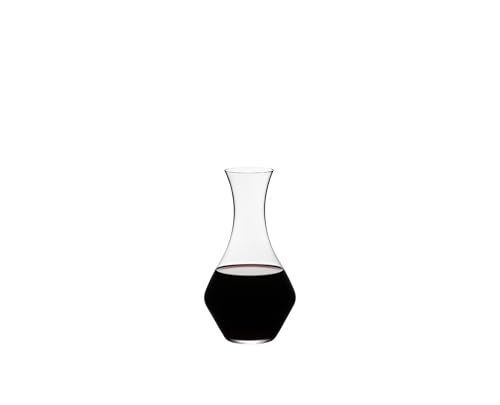
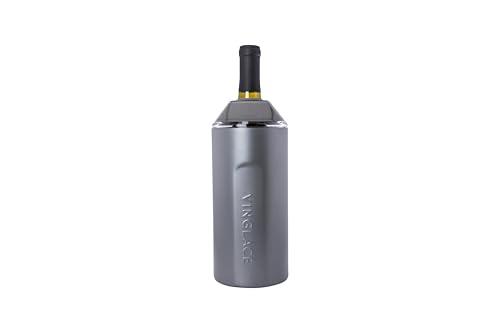
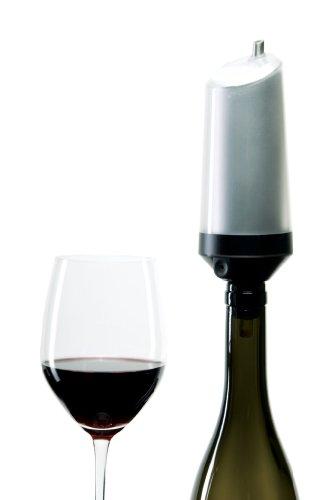
The Riedel Cabernet Decanter is the best wine serving accessory under $100: 37 ounces of crystal, nine inches tall, shaped specifically to separate sediment from an older vintage. For keeping a bottle cold at the table without ice, the Vinglacé sleeve. The budget pick is the Corkcicle Air at the lowest live price here, which chills from inside the bottle and aerates as you pour.
How this page is funded. Cork & Cool earns a commission if you buy through the Amazon links below, at no extra cost to you. It never changes the order of this list — see our editorial policy and affiliate disclosure. Prices come from Amazon and are refreshed daily; the price on Amazon when you buy is always the one that counts.
Quick picks
Every model below, on the specifications that decide the purchase. Tap a row to jump to the full write-up.
Comparison of wine storage models by zones, capacity, cooling type, width, published noise rating and vibration.
#
Product
Best for
Zones
Bottles
Cooling
Width
Noise
Vibration
Price
1
Riedel Cabernet DecanterOlder bottles with sediment
Thirty-seven ounces of crystal, nine inches tall, shaped to separate sediment from an older vintage.
#ad — paid link. How this is funded. Price as of November 28, 2026; check Amazon for the current price.
4
Oenophilia Fusion 8 Glass Stemware RackDrying stemware on a counter
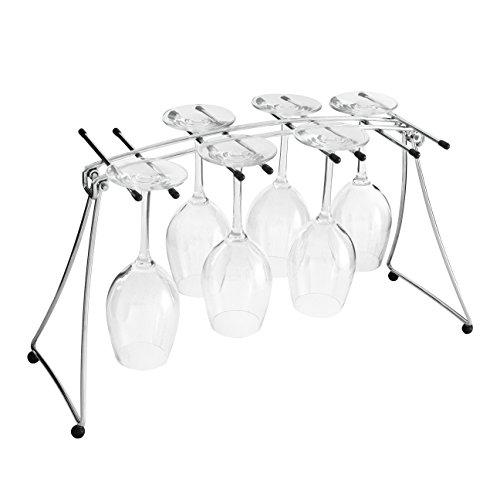
Eight glasses suspended on a chrome frame so air circulates round the bowl and they dry without water spots, on rubber-tipped legs that fold flat afterwards.
#ad — paid link. How this is funded. Price as of November 28, 2026; check Amazon for the current price.
5
Corkcicle AirBringing a red down
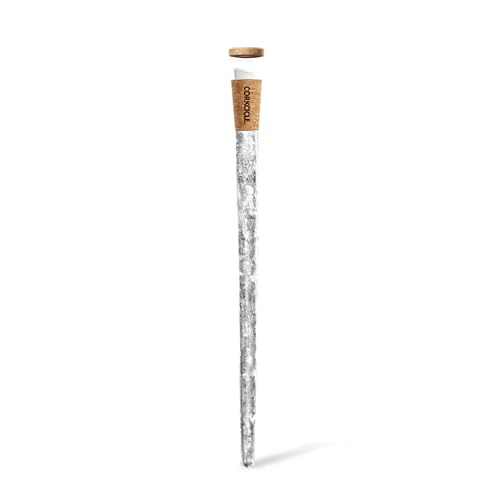
A freezable gel stick that goes into the bottle and doubles as a pour-through aerator: the listing states a room-temperature red is chilled in about fifteen minutes.
“Not published” means the manufacturer does not publish that figure. We do not estimate it. Prices and product photographs come from Amazon and are refreshed daily.
How we compared
We compared published manufacturer specifications, official product documentation and verified owner reports across 5 models. We do not physically test these units, we have no laboratory, and we do not accept payment for placement. Where a manufacturer does not publish a figure — noise ratings, most often — this page says so rather than estimating it.
What we weighted
A live price under $100 on the day we read it
A distinct serving job — decanting, holding temperature at the table, chilling in the pour, drying glassware — so no two picks overlap
Published dimensions and capacity, because serving gear has to fit a table and a cupboard
Whether the maker publishes a performance figure or only an elapsed time, stated either way
Whether it needs preparation: a freezer, a pre-chill, ninety minutes of planning
Material and care, since crystal, chrome and stainless each have a different failure mode
What it does not do, which on serving gear is usually the thing the photography implies
Every model in detail
Five pieces, each live-priced under $100 when this page was last reviewed, chosen so that no two do the same job. This is the bracket where serving gear stops being novelty and starts being the thing you reach for every time.
#1 — Older bottles with sediment
Riedel Cabernet Decanter
Thirty-seven ounces of crystal, nine inches tall, shaped to separate sediment from an older vintage.
Product photograph via Amazon.
Published specifications
Capacity
Not published
Zones
Not published
Cooling
Unpowered
Temperature range
Not published
Noise rating
Not published by the manufacturer
Installation
Not applicable
· Capacity: 37 1/8 oz
· Height: 9 in
· Material: crystal glass
· Model 1440/13
· Shaped to help separate sediment from older vintages
#ad — paid link. How this is funded. Price as of November 28, 2026; check Amazon for the current price.
#4 — Drying stemware on a counter
Oenophilia Fusion 8 Glass Stemware Rack
Eight glasses suspended on a chrome frame so air circulates round the bowl and they dry without water spots, on rubber-tipped legs that fold flat afterwards.
Glasses hang clear of the surface, so air gets round the bowl — which is what actually prevents water spots
The legs fold flat, so it occupies the counter only while it is in use
Rubber-tipped legs and a non-slip base, so it does not slide on a wet worktop
Needs no fixing at all, which suits a rented kitchen
What does not
Eight glasses is one dinner party, not a glass cupboard
Takes counter space while in use
Not bottle storage
Oenophilia publishes no stem-size range or load rating, so the eight-glass figure is all you have to plan with
No decanter station: the 16-glass Fusion rack that held one is discontinued
Who should skip it. Skip it if what you need is somewhere to invert a decanter — this frame takes stems only, and the Fusion model that held a decanter is no longer made. Skip it too if you want glasses out of the way permanently rather than while they dry; a rack that screws under a cabinet does that better.
#ad — paid link. How this is funded. Price as of November 28, 2026; check Amazon for the current price.
#5 — Bringing a red down
Corkcicle Air
A freezable gel stick that goes into the bottle and doubles as a pour-through aerator: the listing states a room-temperature red is chilled in about fifteen minutes.
Product photograph via Amazon.
Published specifications
Capacity
Not published
Zones
Not published
Cooling
Unpowered
Temperature range
Not published
Noise rating
Not published by the manufacturer
Installation
Not applicable
· Method: freeze the stick, insert into the bottle
· Freeze time: about 90 minutes before use
· Listing claim: a room-temperature red is chilled in about 15 minutes
· Listing claim: keeps whites cold for about an hour
· Built-in pour-through aerator: the wine aerates as it passes through the head
· BPA-free plastic body with a non-toxic freezing gel; about 12 in long (retailer figure)
Decanters do two jobs and the shape tells you which one a given piece is built for. A wide base aerates a young, closed wine by exposing more surface. A narrower vessel is for separating sediment out of an older bottle without stirring it back in. The Riedel Cabernet Decanter is the second kind: 37 1/8 ounces of crystal, nine inches tall, model 1440/13, shaped to help separate sediment from older vintages. At nine inches it also fits under a normal wall cabinet, which sounds trivial until you own a decanter that does not.
It is crystal, it is hand-wash only and it will break. It also aerates a young wine less than a wide-based decanter would, which is the trade for the sediment job. The full class, including the wide-based option, is in best wine decanters.
What each serving pick under $100 does
Item
The job
Needs preparation
Published detail
Riedel Cabernet Decanter
Separating sediment from an older bottle
No
37 1/8 oz, 9 in tall, crystal
Vinglacé Wine Chiller
Holding an already-cold bottle cold at the table
Bottle must already be cold
Vacuum-insulated stainless sleeve, no ice
Ravi Instant Wine Chiller
Chilling the glass you are pouring
Must be pre-frozen
Pre-frozen stainless inner tube
Oenophilia Fusion Stemware Rack
Drying eight glasses without water spots
No
20.5 x 7.5 x 11.5 in, folds flat
Corkcicle Air
Chilling a warm red from inside the bottle
About 90 min in the freezer
Red chilled in about 15 min (listing claim)
Keeping a bottle cold at the table
An ice bucket works and it makes a mess: water, a dripping bottle and a ring on the table. The Vinglacé Wine Chiller is a vacuum-insulated stainless steel sleeve the bottle sits inside instead. It takes wine and Champagne bottles, needs no ice, and produces no external condensation — so it works on a wooden table and doubles as the presentation piece the bucket usually is.
The limit is in the mechanism. A vacuum sleeve keeps a cold bottle cold; it does not make a warm bottle cold. If the bottle came out of a cupboard rather than a fridge, this is the wrong tool and one of the two chillers below is the right one. The whole chilling category is ranked in best wine chillers.
Chilling in the pour, and chilling in the bottle
The Ravi Instant Wine Chiller lives in the freezer and fits over the bottle neck; the wine chills as it passes through a pre-frozen stainless inner tube on its way to the glass. Ravi claims it is about forty times faster than other chilling products. It chills the glass you are pouring rather than the bottle, which means the last glass is as cold as the first and the bottle itself never gets cold at all. If you did not put it in the freezer, it does nothing.
The Corkcicle Air goes the other way: freeze the gel stick, put it into the bottle, and the wine chills from the inside while the pour-through aerator in the head lets you serve without taking it out. The listing states about fifteen minutes for a room-temperature red and about an hour of cold for a white. It is the cheapest pick here and the only one that solves the problem nobody addresses — a red that is too warm rather than a white that is too cold. It needs about ninety minutes of freezer time first, and it handles one bottle at a time.
Glassware, and why it dries badly
Wine glasses dry badly for a physical reason: the bowl traps a film of water against a flat surface and it evaporates into its own humidity, leaving spots. The Oenophilia Fusion 8 Glass Stemware Rack suspends eight glasses clear of the counter on a chrome frame so air circulates round each bowl, on rubber-tipped legs that fold flat when you are done. It is 20.5 inches wide and 11.5 inches tall in use and collapses afterwards, needs no fixing at all, and suits a rented kitchen for exactly that reason.
Eight glasses is one dinner party, not a glass cupboard, and it takes counter space while it is in use. If you want glasses stored rather than dried, the under-cabinet options are in best under-cabinet wine racks.
What each one needs you to plan
This is the practical split on the page. The decanter and the stemware rack work whenever you pick them up. The Vinglacé needs a bottle that is already cold. The Ravi needs to have been in the freezer. The Corkcicle needs about ninety minutes of freezer time. Two of the five, in other words, only help if you thought about it earlier in the day — which is worth knowing before you buy the one that looks cleverest.
Which one to buy
Buy the Riedel Cabernet Decanter if you own bottles with age on them: nothing else here changes what is in the glass. Buy the Vinglacé if you entertain and hate ice buckets. Buy the Ravi if you pour over a long evening and want every glass the same temperature. Buy the Oenophilia rack if your glasses come out spotted. And buy the Corkcicle Air first if your reds are consistently too warm, because it is the cheapest item on the page and it fixes the most common serving fault in any house. Everything cheaper is in best wine accessories under $25.
Questions people actually ask
▸ Do I need both a decanter and a chiller?
They solve opposite problems. A decanter opens up or clarifies a red; a chiller brings a bottle down in temperature. If you drink mostly reds, start with the decanter; if you drink mostly whites and sparkling, start with the sleeve or the in-pour chiller.
▸ What temperature should wine actually be served at?
Roughly 45–50°F for whites and sparkling, 60–65°F for most reds, which is cooler than most rooms. The settings and the reasoning are in wine fridge temperature settings.