Buy a rack if the room stays cool, dark and stable year-round and you drink bottles within months - it costs a fraction as much per bottle and has nothing to fail. Buy a fridge if the room swings seasonally, climbs above 70°F in summer, or you are keeping anything for years. Temperature swings, not warmth alone, are what damage wine.
How this page is funded. Cork & Cool earns a commission if you buy through the Amazon links below, at no extra cost to you. It never changes the order of this list — see our editorial policy and affiliate disclosure. We do not publish prices, because a stale number helps nobody.
Our picks
Both sides of the decision, so whichever way it falls you can act on it. Two freestanding racks, and two cabinets — one compressor unit for a room that cannot be trusted, one silent thermoelectric unit for a room that can.
How this page is funded. Cork & Cool earns a commission if you buy through the Amazon links below, at no extra cost to you. It never changes the order of this list — see our editorial policy and affiliate disclosure. We do not publish prices, because a stale number helps nobody.
#1 — A cellar room with no cellar
Sorbus Freestanding Floor Wine Rack (150 bottle)
A hundred and fifty bottles on open shelving, labels facing out — the cheapest way to store a real collection if the room is already cool.
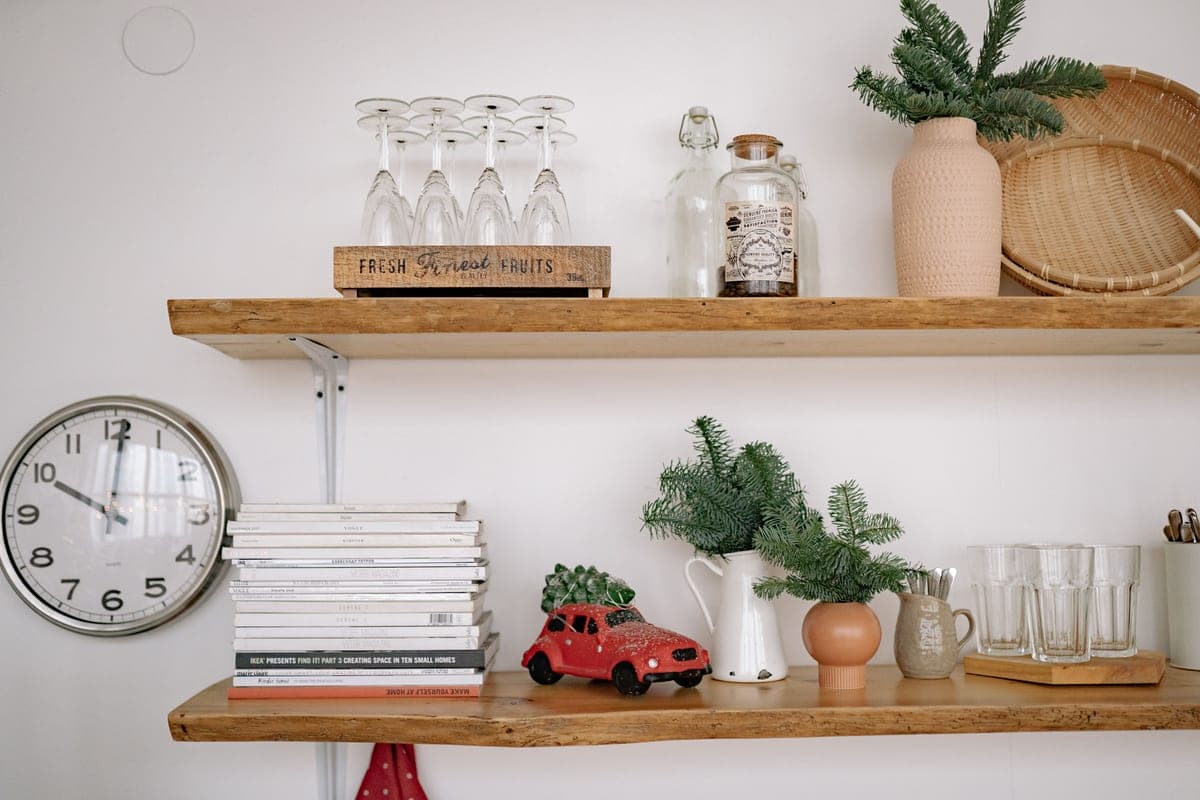
Illustrative photograph — not an image of the Sorbus Freestanding Floor Wine Rack (150 bottle).
Cost per bottle stored is a fraction of any powered cabinet
Labels stay readable, so you can actually find a bottle
No power, no compressor, nothing to fail
What does not
No temperature control, no humidity control, no UV protection — the room does all of that or nothing does
150 full bottles is roughly 400 lb; the floor has to take it
Who should skip it. Skip it if the room swings more than a few degrees across the year, or gets above the mid-60s°F in summer. A rack in the wrong room ages wine faster than no rack at all.
Rated for built-in installation, so the front vent is designed for an enclosed opening
23.4-inch width drops into a standard 24-inch cabinet run
Two independently set zones across the full 40-66°F span
What does not
No published dB rating, so noise cannot be compared numerically against rivals
46 bottles is the manufacturer's count using standard Bordeaux bottles — heavy Burgundy or Champagne bottles reduce it
Who should skip it. Skip it if your opening is under 24 inches, or if you need more than about four dozen bottles — stepping up to a 160-bottle cabinet costs less per bottle.
No compressor means no start-up thump and no vibration path into the wine
65 W is a fraction of a compressor cabinet's draw
46°F floor is cold enough for sparkling service
What does not
Thermoelectric cooling works against ambient temperature, so a warm room raises the achievable minimum
Freestanding only — it must not be enclosed
Who should skip it. Skip it if the unit will live anywhere that gets hot: a garage, a conservatory, or a cabinet run with no air gap. Thermoelectric units lose the argument above roughly 77°F ambient.
A rack is furniture. It holds bottles in a sensible position and delegates every climate variable to the room.
A fridge is climate control. It holds a temperature you choose regardless of what the room is doing, and blocks light with a tinted door.
Everything else — capacity, cost, looks — follows from that. And it means the question “rack or fridge?” is really the question “can I trust my room?”
The three-question test
Answer these about the specific place the wine will live. Yes to all three, buy a rack and save the money.
Does it stay between about 50 and 65°F all year? Not today — in February and in August. If you do not know, a cheap thermometer left there for a week is the best money in this entire decision.
Is it dark, or can the bottles be? Light degrades wine, and open racking offers no protection from it.
Are you drinking these bottles within a year or so? The shorter the horizon, the less any of this matters.
Interior closets, basements and spare rooms on the north side of a house often pass. Kitchens usually fail on temperature — they are the warmest room and swing with cooking. Conservatories and unheated garages fail badly: garage storage covers why.
Rack or cabinet, by situation
Your situation
Buy
Why
Cool stable basement, 100+ bottles
Rack
A 150-bottle rack costs a fraction of a cabinet and has nothing to fail
Kitchen, bottles opened within weeks
Rack
Rotation storage; climate barely matters over that horizon
Any room that swings seasonally
Cabinet
Swings are what damage wine, and only a cabinet stops them
Keeping bottles for years
Cabinet
Aging needs stability you cannot get from an uncontrolled room
You serve at different temperatures
Cabinet, dual zone
A rack cannot serve reds and whites at their own temperatures
Worth being precise, because the received wisdom is slightly wrong in a way that changes the decision.
It is the swings, more than the warmth. Wine held steadily at 64°F ages faster than wine at 55°F, but it ages predictably. Wine that cycles between 50°F and 75°F every few weeks expands and contracts in the bottle, works the cork, and can eventually push wine past the seal. A stable warm room beats an unstable cool one.
That is why the test above asks about February and August rather than about today, and it is why a rack in a steady 62°F closet is a perfectly serious storage solution. The detail is in wine storage temperature, and how long wine lasts covers horizons.
The other two variables: light, which a tinted cabinet door blocks and open racking does not, and vibration, where racks quietly win — there is no compressor. A thermoelectric cabinet like the Whynter WC-201TD is the option that gets both temperature control and near-zero vibration, at the cost of needing a moderate room to work in (compressor vs thermoelectric).
Why most collections end up with both
Because they do different jobs, and the natural arrangement is obvious once you see it:
A rack for volume and rotation — the case you bought, the everyday bottles, anything being drunk within the year. Cheap per bottle, and you can see what you own.
A cabinet for the bottles that matter — what you are aging, and what you want at serving temperature tonight. 20 to 46 bottles covers this for most people, which is far less cabinet than they were about to buy.
That split is usually cheaper than one big cabinet and better suited to how people actually drink wine. If it sounds right, start with floor racks for the volume and the wine fridge roundup for the cabinet.
Questions people actually ask
▸ Do I really need a wine fridge?
Only if your room cannot hold a reasonably steady temperature year-round, or you are keeping bottles for years. If you have a cool, dark, stable space and drink bottles within months, a rack does the job for a fraction of the cost.
▸ Is it bad to store wine at room temperature?
It depends on what the room does over a year, not on today’s reading. Steady 64°F is fine — wine ages faster but predictably. A room cycling between 50 and 75°F is the genuinely damaging case, because the swings work the cork.
▸ Can I store wine in a rack in my kitchen?
For bottles you are opening within a few weeks, yes. For anything you are keeping, kitchens are the worst room in the house — warmest, brightest and most variable.
▸ What is cheaper, a rack or a wine fridge?
A rack, by a wide margin per bottle stored: a 150-bottle floor rack costs a fraction of a 46-bottle powered cabinet, uses no electricity and has nothing to fail. You are paying the cabinet premium for climate control, which is worth it only if the room needs it.