A wine rack does one job and does it cheaply: it holds bottles horizontally, in a place you can reach, without electricity. For most households that is the correct purchase. It is also the purchase most likely to be made for the wrong reason, so this hub leads with the limit rather than burying it.
A rack controls nothing
A powered cabinet manages temperature, buffers humidity, and blocks ultraviolet light through treated glass. A rack manages none of those things. Whatever the room does, the wine experiences.
That is genuinely fine in a cool, dark, stable room — an interior closet, a basement, a north-facing pantry. It is genuinely bad in a kitchen that hits the eighties in August, or against a wall that gets afternoon sun. Chemical reaction rates in wine roughly double for every 18°F rise in temperature, so a rack in a warm room does not simply store wine more slowly — it ages it faster than the same bottles would age in a cupboard downstairs.
So the honest sequence is: assess the room first, then buy the rack. If the room is wrong, a rack is the wrong product and the rack-versus-fridge comparison is the page you need.
Four formats, four different problems solved
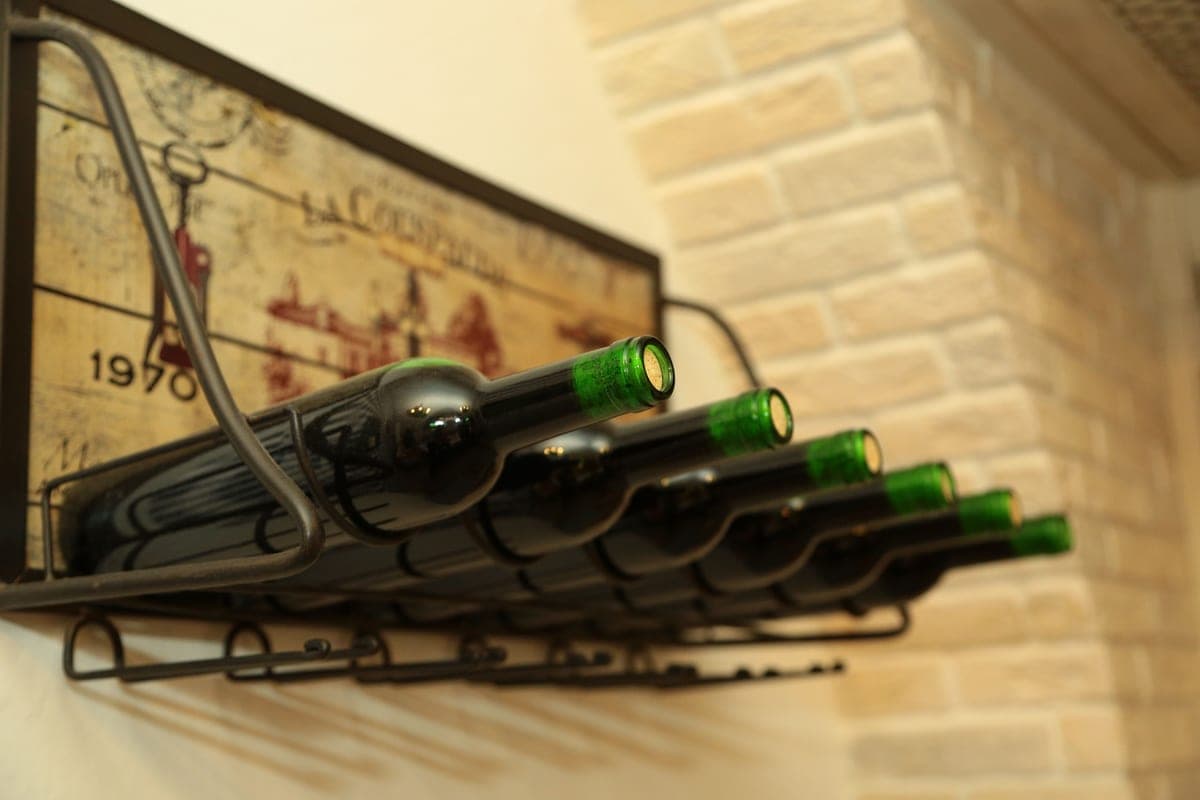
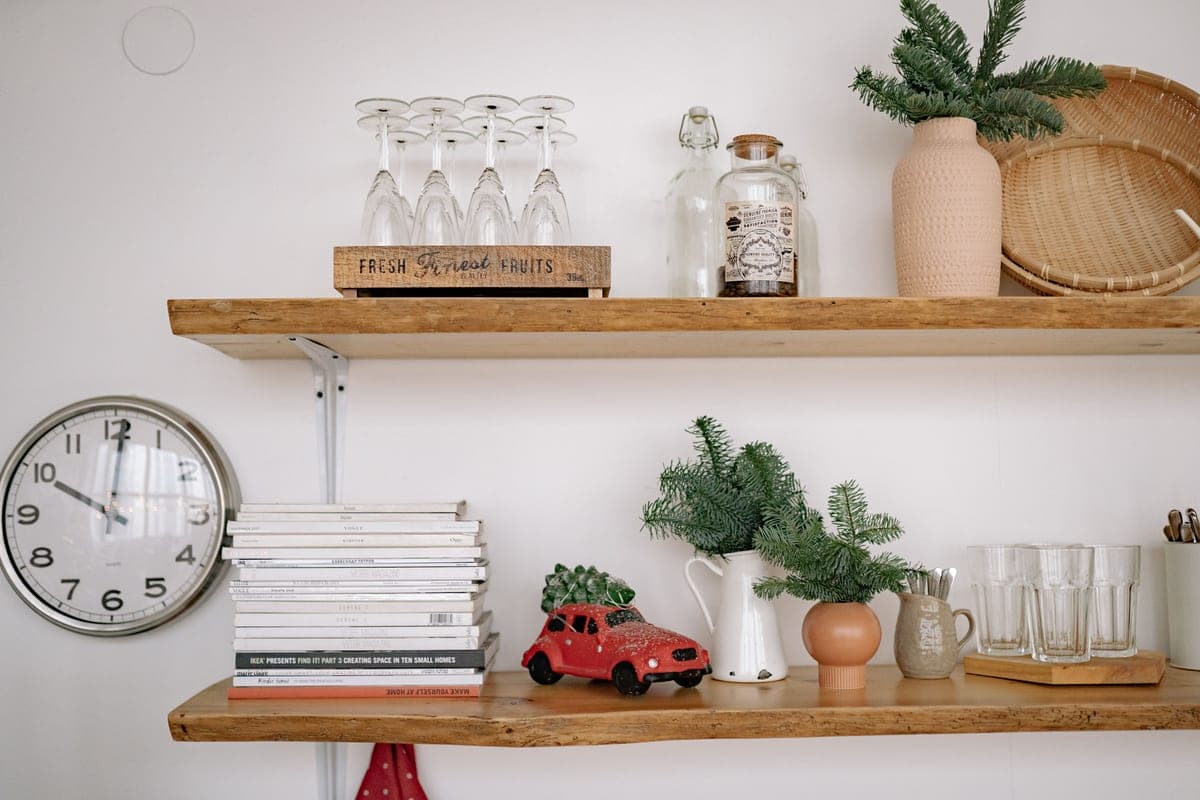
Wall-mounted racks use vertical space a counter cannot, which is why they win in small kitchens. The constraint is structural: nine full bottles is roughly 25 pounds hanging off a plasterboard wall, so you are finding studs or using proper anchors. The other constraint is light — an open wall rack offers no UV protection whatsoever, so the wall you choose matters as much as the rack.
Countertop and tabletop racks are serving furniture. Four to six bottles within arm’s reach of where you pour. They are not storage and should not be treated as such; a counter is the warmest, brightest surface in the room.
Stackable modular racks solve the sizing problem differently: instead of guessing how big a rack you will need in three years, you buy a three- or six-bottle unit now and add sets as the collection grows. The arithmetic turns against you at scale — seven six-bottle sets cost more than one forty-bottle rack — so they suit a growing collection, not an existing one.
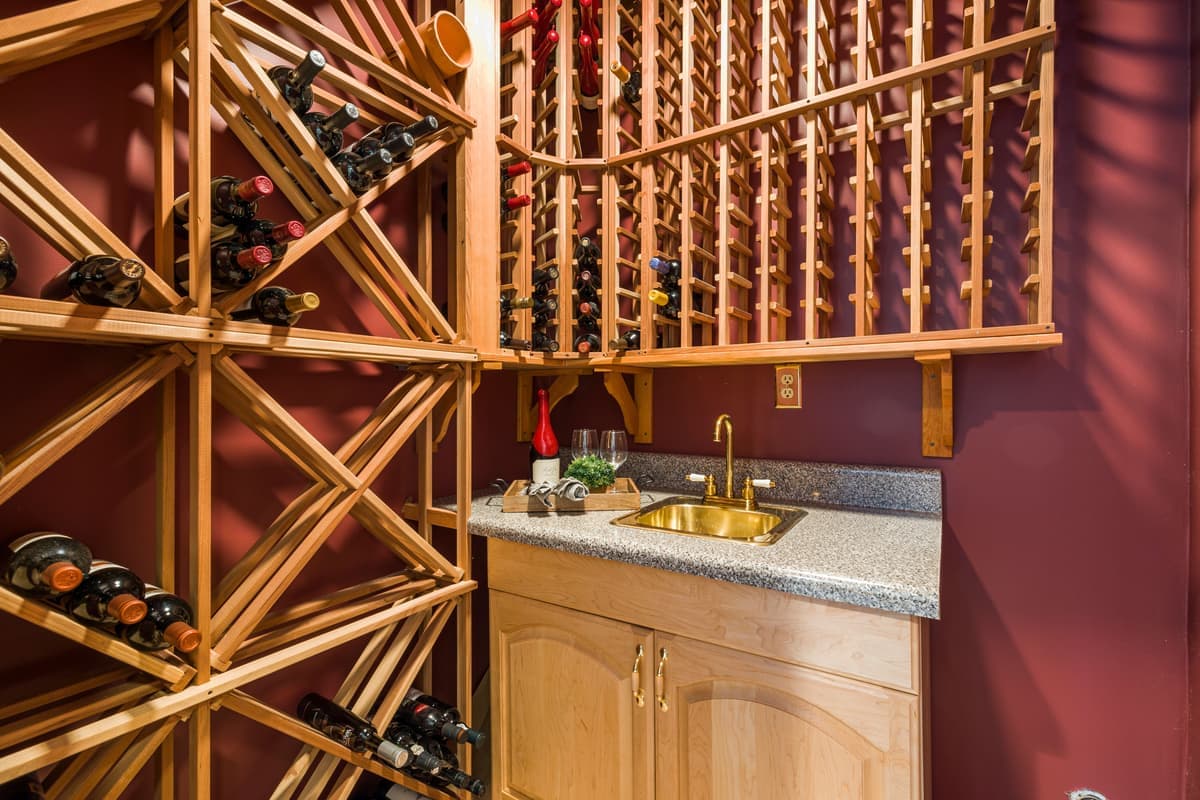
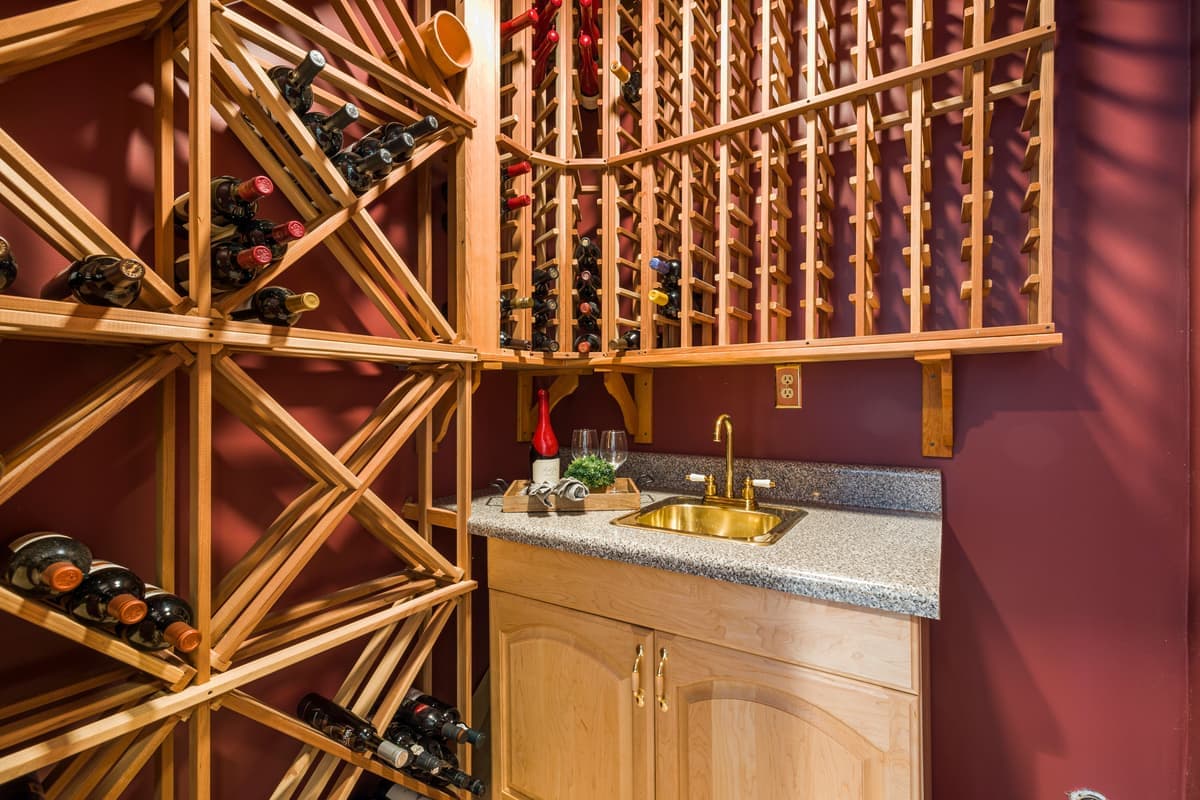
Floor racks are the cheapest way to store a serious number of bottles. A 150-bottle open-shelf unit costs a fraction of any powered cabinet of comparable capacity, keeps labels readable so you can actually find a bottle, and has nothing in it that can fail. It also weighs around 400 pounds fully loaded, which is a floor question, not a furniture question.
Wood or metal is not only a looks question
Metal racks are stronger per unit of material, take up less visual space, and do not care about humidity. Wooden racks cradle bottles over a wider contact area, are quieter to load, and in a damp cellar will eventually show it. Our wood versus metal comparison covers where each material genuinely wins rather than treating it as a style preference.
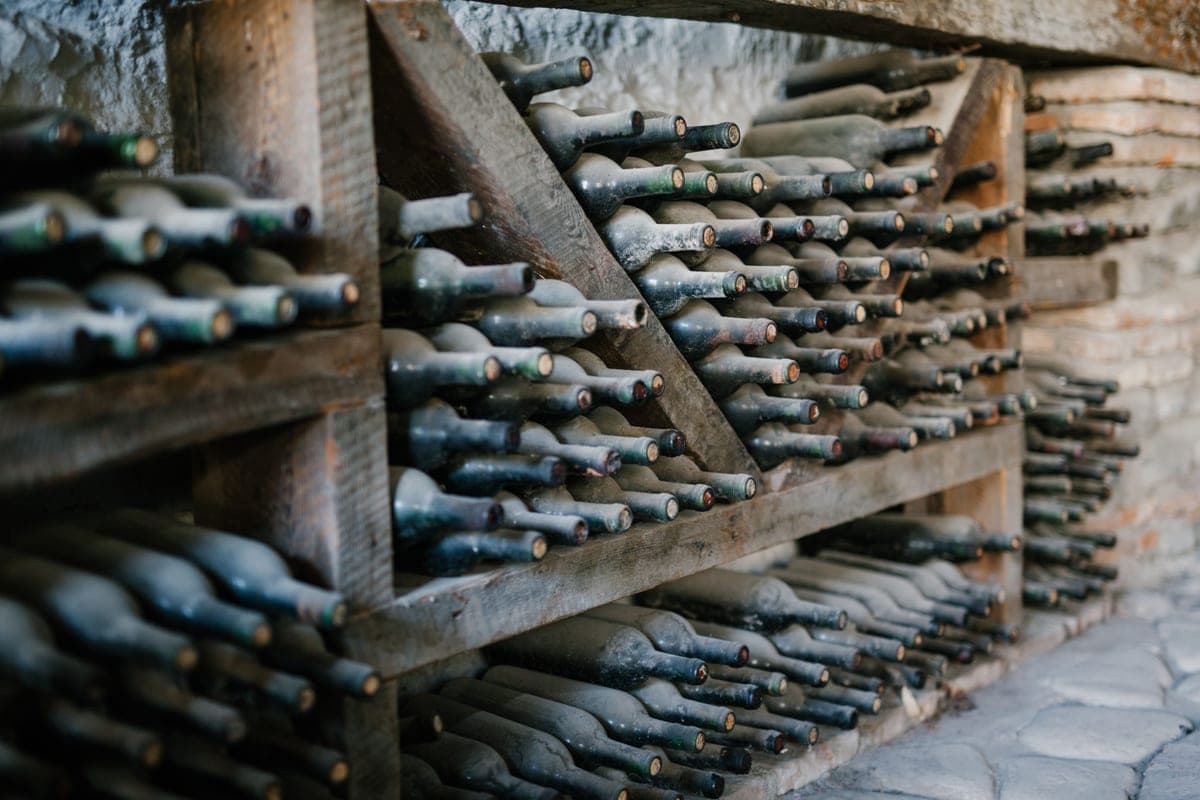
Why bottles lie down
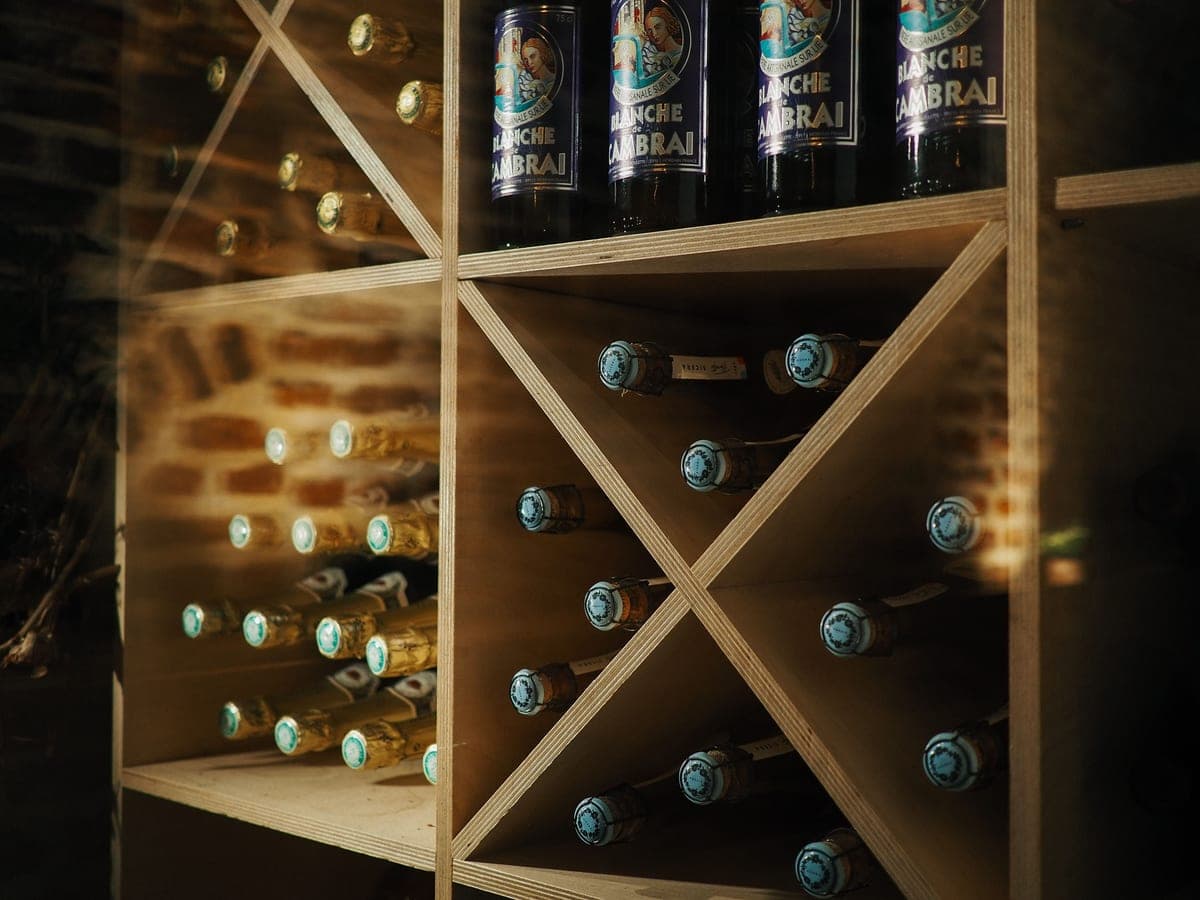
Every rack format here holds bottles on their side, and there is a reason. A cork stays moist and seals properly while it is in contact with the wine; a dried cork shrinks and lets air in. The exception is sparkling wine, where the trapped carbon dioxide keeps the cork humid on its own and upright storage is fine. Screwcap bottles have no cork to protect and can be stored either way. The full argument, with the exceptions, is in should wine be stored flat or upright.