This is the reference half of Cork & Cool. It is called Guides rather than Blog deliberately: nothing here is a dated post that ages out. Each page answers one question, carries a real review date, and gets revisited on a schedule — and when the date on a page changes, it is because the page was actually reviewed.
That last point is not a throwaway. While researching this site we found competitors ranking on “best of 2026” headlines over pages last touched in 2021, and another still stamped with the previous year in September. An update date is a trust claim. Ours is only worth anything while it is true, so we would rather show an older honest date than a fresh false one.
Temperature, humidity and the numbers worth knowing
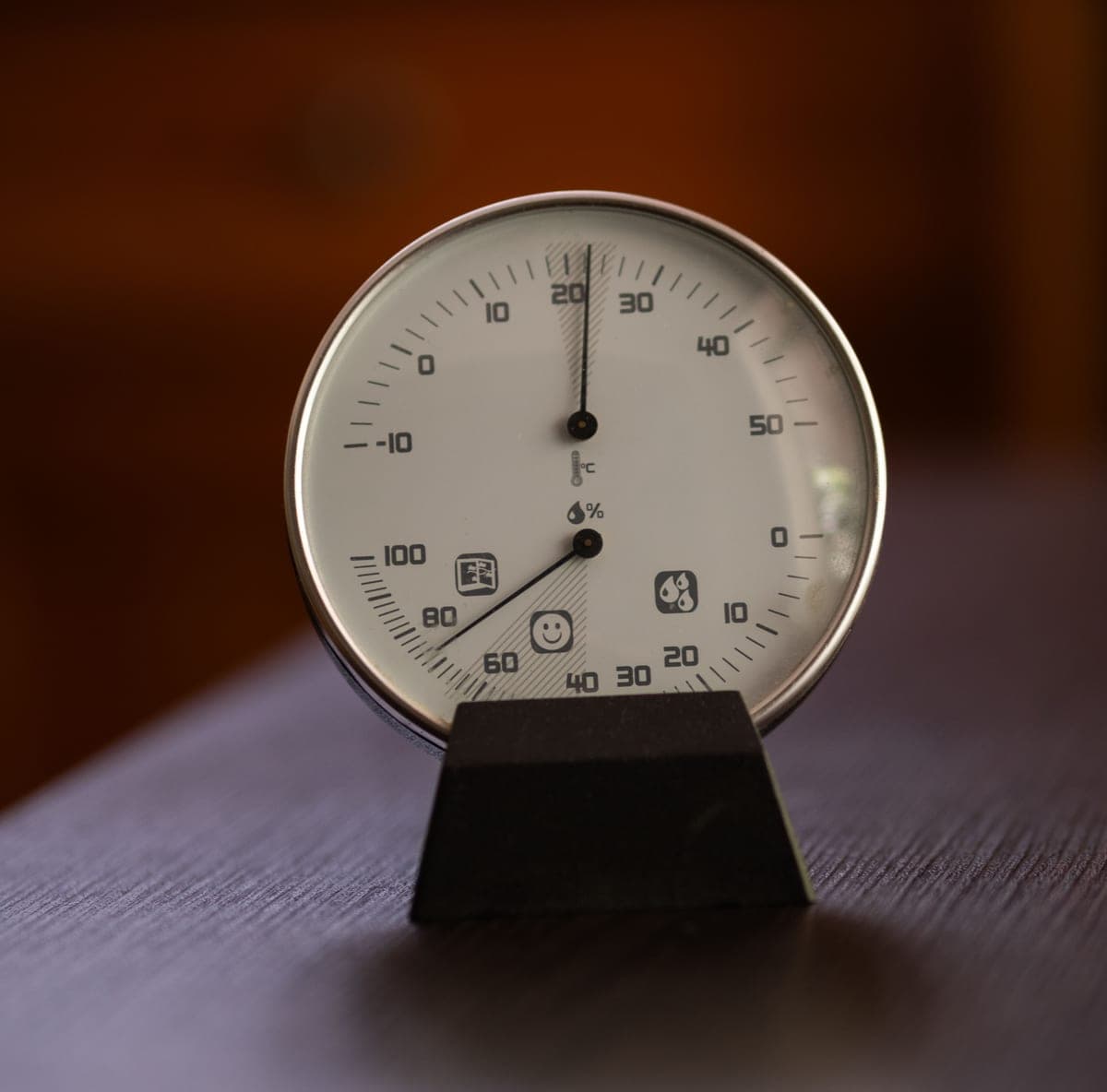
The consensus long-term storage target is a constant temperature somewhere between 50 and 59°F, with 55°F the figure most often quoted and 52°F argued for by some writers. The constancy matters more than the exact number: a cabinet held steadily at 57°F treats wine better than one oscillating between 50 and 62. Wine can survive temperatures as high as 69°F without long-term damage, which is more forgiving than most marketing suggests, but chemical reaction rates roughly double for every 18°F increase, so warm storage is fast storage.
Humidity is the specification people worry about most and need least. Published recommendations for climate-controlled storage sit in a broad 55–75% band, with 75% often cited as ideal. Too dry and corks shrink and leak; too damp and you get mold on labels and packaging. Most wine fridges do not control humidity at all, and for wine you will drink within a few years that is not a problem. We cover what a cabinet can and cannot do in do wine fridges control humidity.
The sizing and running-cost questions
Two practical questions come up before almost every purchase. The first is capacity, and the honest answer is that published bottle counts assume standard Bordeaux bottles in the manufacturer’s intended layout — what size wine fridge do I need shows how to work from the bottles you actually own.
The second is what it costs to run. Wine coolers are not eligible for ENERGY STAR certification under current program definitions, which removes the one comparison number buyers reach for, so the useful figure is the wattage on the spec plate. A 65-watt thermoelectric unit and a 160-watt compressor cabinet are genuinely different propositions, and wine fridge running costs shows how to turn a wattage into a number for your own electricity rate rather than repeating somebody else’s estimate.
When something goes wrong
A wine fridge that has stopped cooling is usually one of a handful of causes, most of them cheap, and diagnosing them in the right order saves a call-out. Wine fridge not cooling works through them cheapest-first and includes the brand-specific quirks for the units people ask about most. It also says plainly when repair stops making sense, because for an out-of-warranty thermoelectric unit it often does.
And the category confusion
Five of the guides here exist purely to sort out what these appliances are. A wine fridge, a beverage fridge, a mini fridge and a regular refrigerator are four different machines with four different temperature ranges, and shops use the names interchangeably. “Wine cooler” is worse still: in the United States it is also a sweet bottled drink, which is why this site consistently says wine fridge. Knowing which appliance you are actually shopping for is the difference between the right purchase and an expensive misunderstanding.