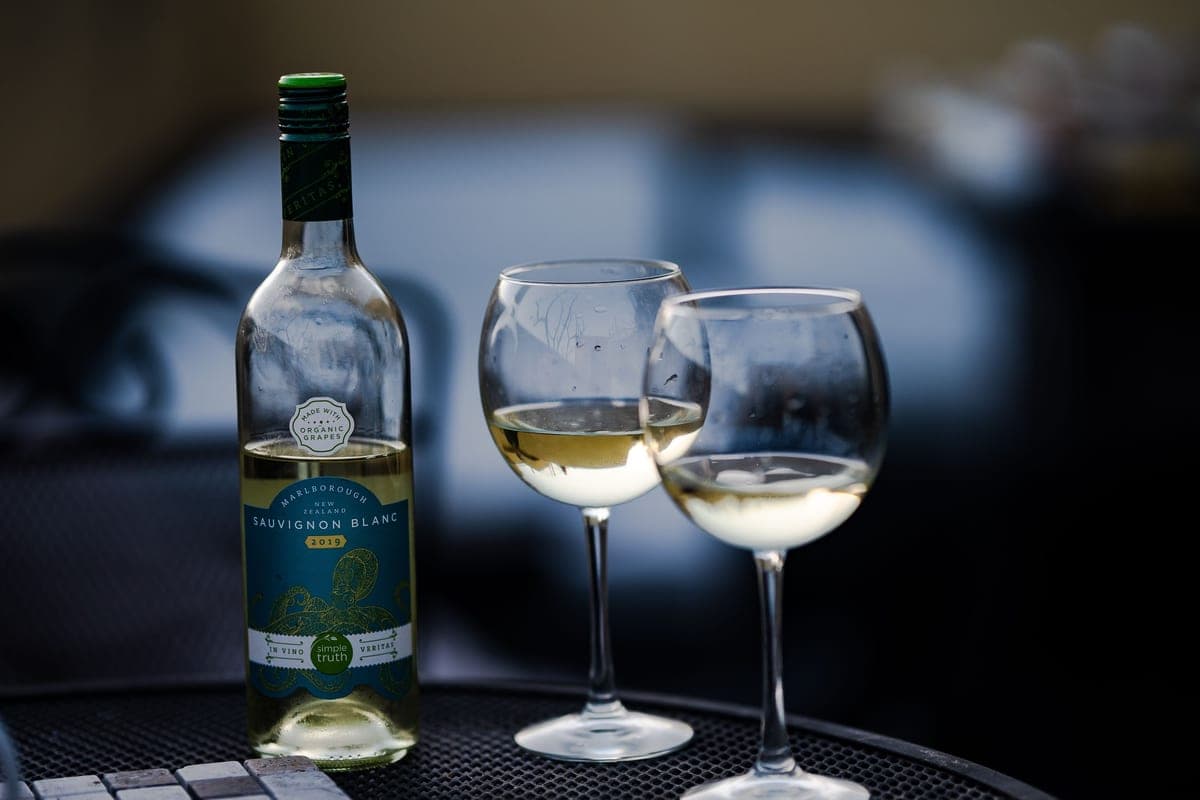
Resealed and refrigerated, most still wine keeps 3-5 days: sparkling 1-2 days, light whites and reds 3-4, full-bodied reds 4-6, and fortified wines like port 2-4 weeks. Removing or displacing the oxygen with a vacuum pump or argon system extends that to weeks.
This page sits in Wine Storage Guides, where the rest of the category is compared the same way.
How this page is funded. Cork & Cool earns a commission if you buy through the Amazon links below, at no extra cost to you. It never changes the order of this list — see our editorial policy and affiliate disclosure. We do not publish prices, because a stale number helps nobody.
Our picks
The free habits below get you to the windows in the table. Beating them means dealing with the oxygen in the bottle, which is what these three do — at three levels of commitment.
How this page is funded. Cork & Cool earns a commission if you buy through the Amazon links below, at no extra cost to you. It never changes the order of this list — see our editorial policy and affiliate disclosure. We do not publish prices, because a stale number helps nobody.
#1 — Most opened bottles, most weeks
Vacu Vin Wine Saver
A hand pump and a rubber stopper that pull air out of the bottle; the brand states up to ten days.
Illustrative photograph — not an image of the Vacu Vin Wine Saver.
Published specifications
Capacity
Not published
Zones
Not published
Cooling
Unpowered
Temperature range
Not published
Noise rating
Not published by the manufacturer
Installation
Not applicable
· Method: manual vacuum pump plus reusable stopper
Oxygen never touches the wine, which is a different mechanism from every vacuum system
Lets you open a bottle worth aging and drink it over months
Argon is already used in winemaking, so nothing exotic is being introduced
What does not
Argon capsules are an ongoing cost per pour
Needs a natural cork — screwcap bottles need the separate accessory
Who should skip it. Skip it if you finish a bottle over two evenings. A vacuum stopper handles that for a fraction of the cost, and the Coravin's economics only work on bottles you would not otherwise open.
All of these assume the bottle is resealed, standing upright and refrigerated — the three free habits from how to store opened wine. Without them, halve everything.
Typical life of an opened bottle, resealed and refrigerated
Wine
Typical window
What goes first
Sparkling and Champagne
1–2 days
Carbonation, even with a proper clamping stopper
Light white, rosé
3–5 days
Fresh aromatics flatten, then the fruit dulls
Full-bodied white (oaked)
3–5 days
Fruit gives way to a nutty, slightly bruised note
Light red (Pinot Noir, Gamay)
3–4 days
Delicate fruit fades and edges turn sharp
Full-bodied red (Cabernet, Syrah)
4–6 days
Softens pleasantly, then goes dull and flat
Fortified (port, sherry, madeira)
2–4 weeks
Very little — these are oxidatively stable by design
Boxed wine
3–4 weeks
Almost nothing until the bag is nearly empty
Two rows deserve attention. Fortified wines last for weeks because higher alcohol and deliberate oxidative handling make them robust — an open bottle of port is not a commitment. And boxed wine genuinely outlasts bottled wine once opened, because the bag collapses as it empties and never admits air. Not a quality claim, a packaging fact.
Why those numbers
One mechanism explains the whole table: oxygen reacting with the wine. It is the same reaction that turns a cut apple brown, and once the bottle is open it is running.
Three things set how fast:
How much air is in the bottle. A bottle with one glass poured lasts longer than one with a single glass left, which is why decanting the remainder into a smaller bottle, filled to the top, genuinely works and costs nothing.
Temperature. Cold slows the reaction. Refrigeration is the single largest free improvement, reds included.
What the wine started with. Tannin and higher alcohol are protective, which is why a full-bodied red outlasts a delicate Pinot Noir, and a fortified wine outlasts everything.
Worth noting that the first day or two of oxygen exposure improves many young tannic reds — the same effect you get deliberately from a decanter (decanters). A big young Cabernet is often better on day two than on the night it was opened. The decline comes after.
How to extend them
The free habits get you into the table. Beyond it you have to deal with the air itself, and there are three mechanisms with honestly different claims:
Vacuum pump — draws air out through a reusable stopper. Up to 10 days claimed, and no consumables ever. The right default for most households, and it costs less than one bottle of what it protects.
Argon blanket — a heavier-than-air gas settles over the wine and keeps oxygen off it. Up to four weeks claimed, at a capsule cost per bottle.
Argon under pressure through the cork — the bottle is never really opened, so the claim runs to years. For serious bottles you want to drink over months.
Those are the manufacturers’ and brands’ own claims, presented as theirs: we have not tested them. The mechanisms are compared in preservation systems, and the stopper question in best wine stoppers.
And unopened bottles?
A different question with a much longer answer, and a distinction worth drawing: most wine is not made to age. The large majority of bottles sold are at their best within one to three years of release, and keeping them longer makes them worse, not better. Aging rewards a minority of wines with the tannin, acidity and concentration to develop.
For those, storage conditions decide everything — a steady temperature above all (wine storage temperature), bottles on their side if they are cork-sealed (flat or upright), and darkness. A bottle worth ten years in a good cellar can be finished in two summers in a garage.
Questions people actually ask
▸ How long does opened wine last?
Resealed and refrigerated: 3–5 days for most still wine, 1–2 days for sparkling, and 2–4 weeks for fortified wines like port. Full-bodied reds sit at the longer end of the still-wine range.
▸ Can you drink wine that has been open for a week?
It is safe — oxidized wine will not make you ill. It may simply taste flat, sharp or nutty. Smell it: if it smells like vinegar or wet cardboard rather than fruit, cook with it instead.
▸ Does red wine last longer than white?
Usually slightly, yes. Tannin and higher alcohol are protective, so a full-bodied red often manages 4–6 days against 3–5 for a light white. A delicate red like Pinot Noir is the exception and behaves more like a white.
▸ How long does an unopened bottle last?
Most wine is at its best within one to three years of release and does not improve with keeping. For the minority built to age, storage conditions decide everything — a steady temperature above all else.