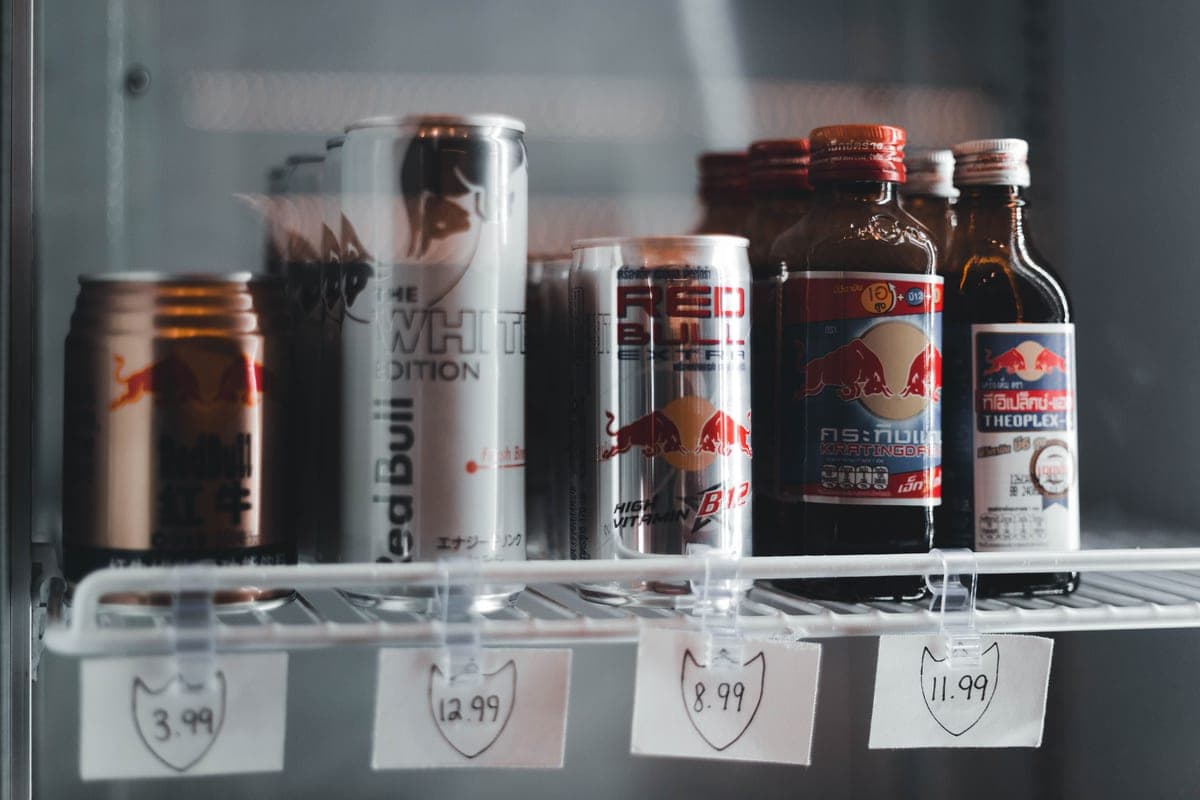
A beverage fridge reaches colder temperatures - usually the mid-30s - and uses flat or wire shelving that holds far more cans. A wine fridge floors at around 40-46°F and uses contoured shelves that cradle bottles horizontally. Buy on cargo: cans want the beverage fridge, bottles want the wine fridge.
This page sits in Wine Storage Guides, where the rest of the category is compared the same way.
How this page is funded. Cork & Cool earns a commission if you buy through the Amazon links below, at no extra cost to you. It never changes the order of this list — see our editorial policy and affiliate disclosure. We do not publish prices, because a stale number helps nobody.
Our picks
If wine is a real part of the mix, these are the two shapes the wine side takes — a 46-bottle dual-zone compressor cabinet reaching 40°F, or a small silent thermoelectric unit for a quiet room.
How this page is funded. Cork & Cool earns a commission if you buy through the Amazon links below, at no extra cost to you. It never changes the order of this list — see our editorial policy and affiliate disclosure. We do not publish prices, because a stale number helps nobody.
#1 — The 24-inch slot
Newair AWR-460DB
Forty-six bottles across two zones in a 23.4-inch cabinet rated for built-in or freestanding use — the default answer for a standard kitchen opening.
Illustrative photograph — not an image of the Newair AWR-460DB.
Published specifications
Capacity
46 bottles
Zones
2
Cooling
compressor
Temperature range
40–66°F
Noise rating
Not published by the manufacturer
Installation
both
· Exterior: 23.40 in W x 22.40 in D (24.00 in with handle) x 33.00 in H
Rated for built-in installation, so the front vent is designed for an enclosed opening
23.4-inch width drops into a standard 24-inch cabinet run
Two independently set zones across the full 40-66°F span
What does not
No published dB rating, so noise cannot be compared numerically against rivals
46 bottles is the manufacturer's count using standard Bordeaux bottles — heavy Burgundy or Champagne bottles reduce it
Who should skip it. Skip it if your opening is under 24 inches, or if you need more than about four dozen bottles — stepping up to a 160-bottle cabinet costs less per bottle.
From the outside these are the same appliance: a glass-fronted cabinet, usually 15 or 24 inches wide, freestanding or built-in. The differences are temperature range and shelving, and both matter more than the exterior suggests.
1. How cold it gets
A beverage fridge is built to make drinks properly cold — typically the mid to high 30s, comparable to a kitchen refrigerator, because that is what people expect a soda or a lager to be.
A wine fridge floors higher: around 40–41°F for compressor cabinets like the Newair AWR-460DB, and around 46°F for thermoelectric ones like the Koolatron WC20. It is built to reach up to 65°F for serving reds, not down to 34°F for chilling cans, and a wine cabinet’s upper range is something a beverage fridge generally cannot match.
2. The shelving
A beverage fridge uses flat or wire shelves, sometimes with can racking. It holds a large number of cans and standing bottles efficiently.
A wine fridge uses contoured shelves that cradle round bottles lying down — which is the correct orientation for cork-sealed bottles (flat or upright) and hopeless for cans. Cans on contoured shelving roll, stack badly and waste a real share of the cabinet.
A third, smaller difference: beverage fridge doors are often clear with interior lighting, since display is the point, while wine cabinets favor tinted or UV-treated glass because light degrades wine.
Can one do both?
Partly, and it depends which way round you are asking.
A wine fridge holding drinks: workable. Cans fit inefficiently, and the cabinet will not get them properly cold — 40°F is borderline, 46°F is a disappointment. For craft beer this is actually an advantage, since ales and stouts show best around 45–55°F (beer and soda).
A beverage fridge holding wine: worse. It cannot reach 55°F storage temperature or 60–65°F for serving reds, so wine sits permanently too cold, and upright storage is wrong for cork over years.
The genuine dual-use answer is a dual-zone wine fridge — wine at its own temperature in one zone, drinks as cold as the cabinet manages in the other. The Newair AWR-460DB is exactly this: two full-range 40–66°F zones (dual-zone settings).
Choosing by cargo
Which appliance, by what goes in it
Mostly storing...
Choose
Why
Wine, any quantity
Wine fridge
The only appliance that holds cellar temperature and cradles bottles
Soda, water, mixers, lager
Beverage fridge
You want below 40°F and maximum cans per cubic foot
Craft beer, ales, stouts
Wine fridge
45–55°F suits them, and a beverage fridge is too cold
A genuine mix of wine and cans
Dual-zone wine fridge
One zone each; the compromise disappears
An office or games room
Beverage fridge
Cargo is cans, and volume matters more than temperature nuance
A dining room or bar area
Wine fridge
Wine is the point, and reds need the warm end of the range
The rule of thumb: if wine is more than an afterthought, buy the wine fridge. It is the appliance that does the thing nothing else does, and it handles drinks passably. A beverage fridge cannot store wine properly at all.
Questions people actually ask
▸ What is the difference between a wine fridge and a beverage fridge?
Temperature range and shelving. A beverage fridge goes colder — usually the mid-30s — with flat shelves that hold many cans. A wine fridge floors around 40–46°F, reaches up to 65°F for serving reds, and cradles bottles horizontally.
▸ Can you store wine in a beverage fridge?
Short term, yes, but it is permanently too cold for storage and cannot reach red serving temperature at all. Upright shelving is also wrong for cork-sealed bottles kept over years.
▸ Can you put cans in a wine fridge?
Yes, though inefficiently — contoured shelves waste space on cans, and the cabinet will not get them properly cold. For craft beer that warmer range is actually an advantage.
▸ Is a dual-zone wine fridge good for wine and drinks?
It is the best single-appliance answer: wine at its own temperature in one zone, drinks as cold as the cabinet manages in the other. Check that the warm zone reaches at least 60°F before buying.