The economics are not close
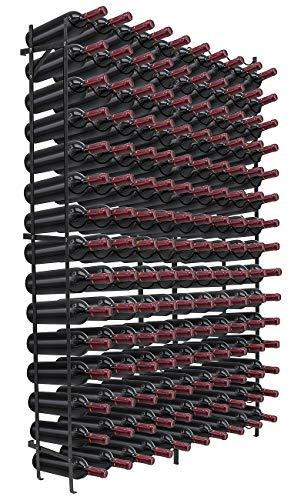
A 150-bottle floor rack costs a small fraction of what a 46-bottle powered cabinet does. It stores more than three times as many bottles, uses no electricity, and has nothing that can fail — no compressor, no thermostat, no door seal, no warranty to worry about.
On cost per bottle stored, nothing in wine storage comes close to a floor rack. It is worth saying plainly, because the default assumption when someone starts collecting is that they need an appliance, and often they need a rack and a better room.
The room is the specification
What you are buying with a rack is shelving. Every climate variable is delegated to the room, so the room becomes the product specification. Three questions, and if the answer to all three is yes, a floor rack is the correct purchase:
- Is it cool and, more importantly, stable? Steady matters more than cold. Around 55°F is the conventional target, but a room that holds 62°F year-round is better for wine than one that swings between 50 and 75. What swings actually do is in wine storage temperature.
- Is it dark? Open racking gives no protection from light, and light degrades wine. An interior room, a basement or a large closet beats a conservatory every time.
- Is it still? Not usually a problem with a rack, which is one of its quiet advantages — there is no compressor vibrating the bottles.
Basements are frequently ideal on all three. Garages usually fail the first: they track outdoor temperature, which is the definition of unstable — see wine storage in a garage. If your room fails these questions, a rack will not fix it and a cabinet will: rack vs fridge.
Two racks, two jobs
The Sorbus 150-bottle rack is utility storage, and it is unapologetic about it. Open shelving, bottles visible, labels readable — which sounds cosmetic until you own a hundred bottles and need to find a specific one. Put it in a basement, a spare room or a large closet and it does the job of a cellar without being one.
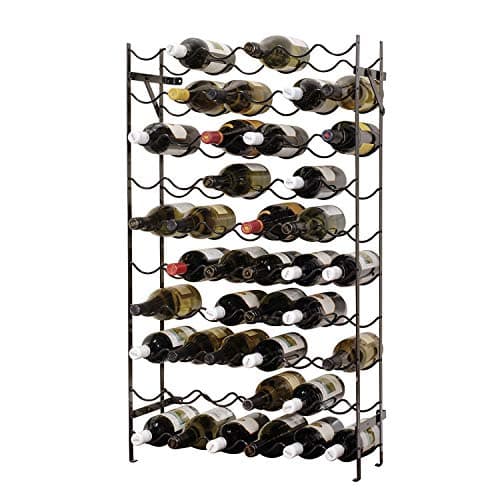
The Oenophilia Alexander rack is the smaller, better-looking answer for 60 bottles somewhere the rack is part of the room. It is also the only floor rack here that publishes its exterior dimensions — 22.5 inches wide, 8 deep, 39.5 tall — so it is the one you can plan an alcove around, and it mounts to a wall if the floor is already spoken for.
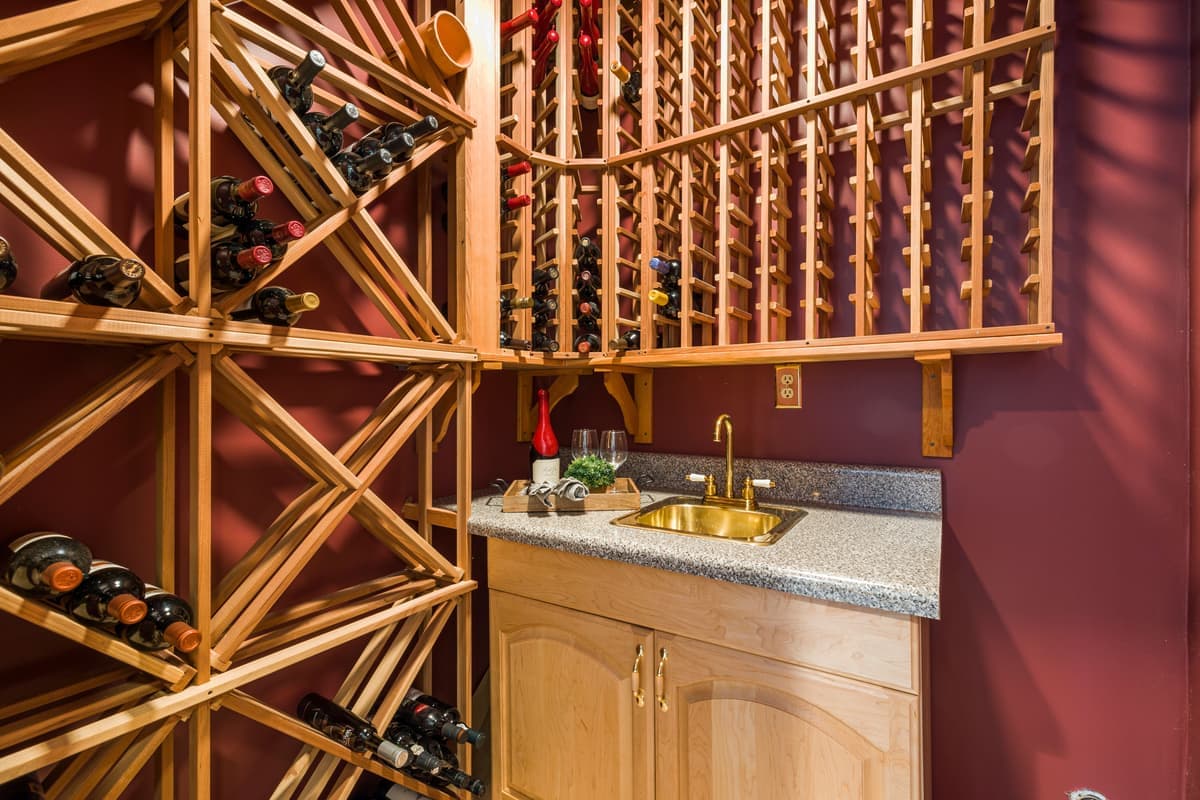
The usual home for a floor rack is a basement, which is the cheapest cellar most houses already own. What changes when the room is below grade — slab moisture, material choice, and the three things that disqualify a basement — is in best wine racks for a basement.