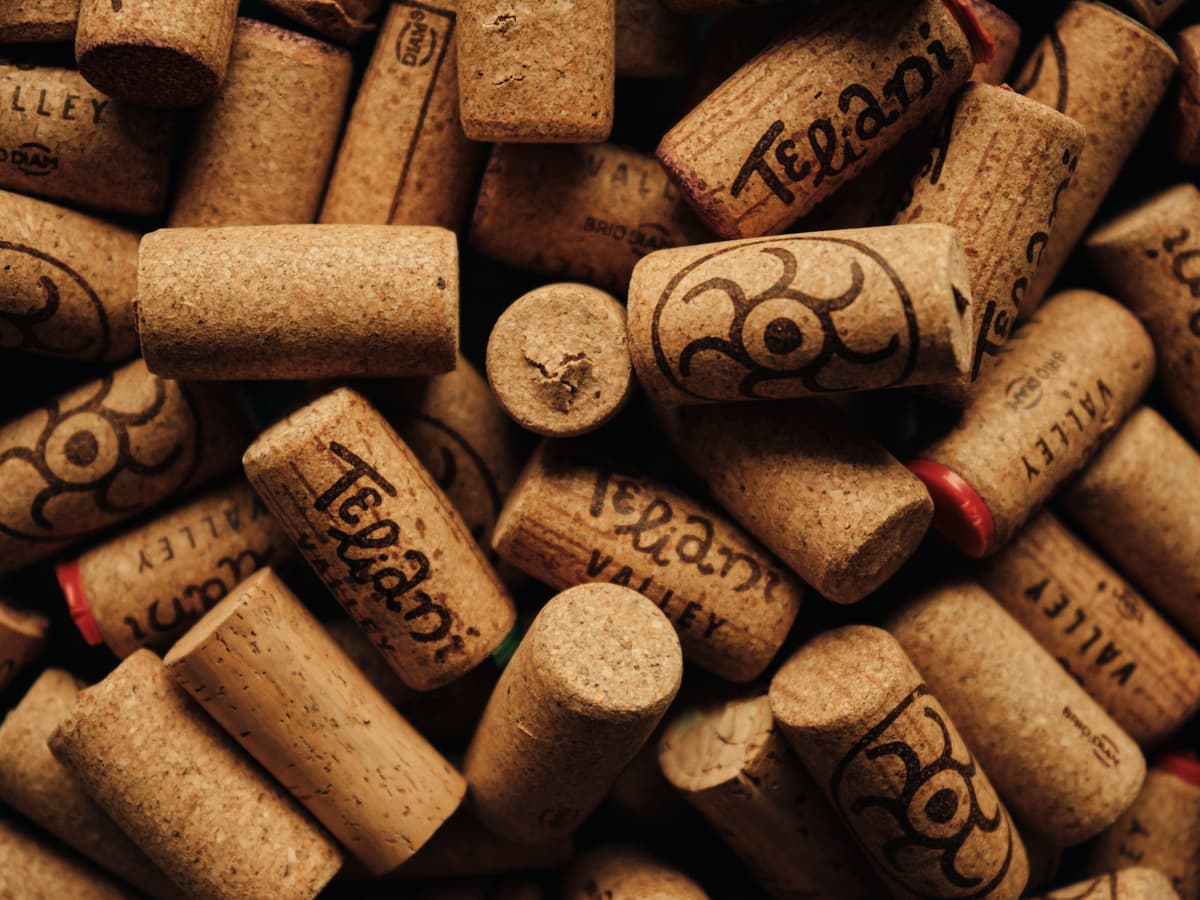
The EuroCave Pure L is the only cabinet here built around long-term cellar conditions rather than service, and the Liebherr WS1200 is the practical alternative, with UV glass and a charcoal filter. Neither publishes a humidity percentage, and we will not invent one.
This page sits in Wine Fridges, where the rest of the category is compared the same way.
How this page is funded. Cork & Cool earns a commission if you buy through the Amazon links below, at no extra cost to you. It never changes the order of this list — see our editorial policy and affiliate disclosure. We do not publish prices, because a stale number helps nobody.
Quick picks
Every model below, on the specifications that decide the purchase. Tap a row to jump to the full write-up.
Comparison of wine storage models by zones, capacity, cooling type, width, published noise rating and vibration.
“Not published” means the manufacturer does not publish that figure. We do not estimate it. Thumbnails are illustrative category photographs, not photographs of the specific models.
How we compared
We compared published manufacturer specifications, official product documentation and verified owner reports across 5 models. We do not physically test these units, we have no laboratory, and we do not accept payment for placement. Where a manufacturer does not publish a figure — noise ratings, most often — this page says so rather than estimating it.
What we weighted
Whether the cabinet is designed for long-term cellar conditions or for service
Air management: charcoal filtration and UV-treated glass, both of which bear on cork condition
Door construction, because a better-sealed cabinet loses less moisture
Shelf material — wood holds and releases moisture in a way wire does not
Whether the manufacturer publishes a humidity figure at all (none of these do)
Whether the cabinet's design assumes bottles lie on their side, which is what keeps corks wet
Every model in detail
#1 — A real cellar in a cabinet
EuroCave Pure L
Up to 110 reds, or 60 whites in the same cabinet — a French-built aging cellar rather than a serving fridge.
Illustrative photograph — not an image of the EuroCave Pure L.
Published specifications
Capacity
110 bottles
Zones
1
Cooling
compressor
Temperature range
Not published
Noise rating
Not published by the manufacturer
Installation
freestanding
· Capacity: up to 110 red wines, or up to 60 whites
· Multi-purpose wine storage cabinet from the Pure collection
· 5-year warranty; made in France
· Glass door with stainless steel trim variant available
Designed around long-term aging rather than service
Five-year warranty, which is unusual in this category
The capacity figure is honestly split by bottle type, which most brands do not do
What does not
Costs multiples of anything else on this page
Sold through a single US distributor, so servicing is not a local-appliance-shop matter
Who should skip it. Skip it if you are storing wine you intend to drink within a year or two. The engineering you are paying for only pays back over a decade of aging.
Twelve bottles, wooden grid shelves, and a compressor Liebherr specifically develops for low vibration — the small cabinet that treats wine as aging stock.
Illustrative photograph — not an image of the Liebherr WS1200.
Published specifications
Capacity
12 bottles
Zones
1
Cooling
compressor
Temperature range
Not published
Noise rating
Not published by the manufacturer
Installation
freestanding
· Exterior width: 16 3/4 in
· Capacity: 12 bottles on 3 wooden grid shelves
· Electronic touch control with digital temperature display
A published vibration measure, which almost nobody in this category offers
Panel-ready, so it disappears into cabinetry
Two zones in a single base cabinet
What does not
No published temperature range in the product listing
Panel-ready means you are also buying a custom door panel
Who should skip it. Skip it if the unit is going into a garage or a utility room. Panel-ready construction and vibration engineering are worth paying for in a finished kitchen and nowhere else.
Published guidance for climate-controlled wine storage puts relative humidity in a broad 55–75% band, with 75% frequently cited as the ideal figure. The two failure modes sit at either end and they are genuinely different problems.
Too dry. A cork dries, shrinks, and stops sealing. Air reaches the wine and the bottle oxidizes, and you usually see it first as a dropped fill level or seepage around the capsule. This is the failure that matters for wine you intend to keep for years.
Too damp. Mold and contamination appear — on labels, on capsules, on cardboard. The wine inside is generally unharmed, which is why this is an aesthetic and resale problem rather than a drinking one. It is still worth avoiding if you care about labels.
Note the range is wide. That is the useful fact here: this is not a specification you have to hit precisely, it is a band you have to stay inside. A cabinet sitting steadily at 60% is doing its job.
What a cabinet actually does about it
Almost no domestic wine fridge actively controls humidity. There is no humidifier in these cabinets. What the better ones do is passive, and it is worth understanding because it is what you are really choosing between.
They avoid drying the air out. A conventional kitchen refrigerator runs cold and dehumidifies aggressively, which is exactly wrong for corks. A wine cabinet runs warmer, cycles less hard, and therefore strips out much less moisture. That difference — not an added humidifier — is the main reason a wine fridge beats a kitchen fridge for storage.
They hold moisture in. A well-sealed door with double, triple-tempered or Low-E glass loses less moisture to the room. Wooden shelving takes up and releases moisture in a way wire shelving cannot, which is a genuine if small buffering effect, and it is one reason wooden shelves appear on cellar-oriented cabinets.
They protect the cork in other ways. Liebherr’s charcoal filter keeps the air the cork breathes clean over years, and its UV-resistant glass addresses light, which is a separate documented wine-fault mechanism. Neither is humidity control, and both belong in the same conversation about long-term cork condition.
What none of these cabinets does is publish a humidity percentage. We checked all five listings. The tables on this site say “Not published” rather than carrying a borrowed number, and a listing that advertises “humidity control” without stating a figure or a mechanism is making a claim you cannot check.
How much this should weigh on your decision
Less than the marketing implies, for most buyers. Here is the honest hierarchy.
If you drink within a couple of years: effectively not at all. A cork does not dry out in eighteen months in a cabinet that is not aggressively dehumidifying. Spend your attention on temperature stability instead, which matters on every timescale.
If you are aging for five years or more: it starts to matter, and the cheapest thing you can do about it costs nothing — store bottles on their side so the cork stays in contact with the wine. That single habit does more for cork condition than any cabinet feature. Here is the full argument, including the sparkling-wine exception.
If you are aging bottles of real value: now a cellar-grade cabinet earns its price, for the combination of a steady temperature, filtered air, UV glass and low vibration rather than for humidity alone. That is the long-term storage list, and do wine fridges control humidity covers what a cabinet can and cannot do in more detail. A cheap external hygrometer on a shelf will tell you where you actually stand for the price of a bottle of wine.
Questions people actually ask
▸ What humidity should a wine fridge be?
Published guidance for climate-controlled storage sits in a broad 55–75% band, with 75% often cited as ideal. Staying inside the band matters more than hitting a number.
▸ Do wine fridges control humidity?
Almost none actively controls it. What they do is avoid the aggressive dehumidification of a kitchen fridge and hold moisture in with a well-sealed door. That passive difference is the real benefit.
▸ What happens if humidity is too low?
The cork dries and shrinks, air reaches the wine, and it oxidizes. You usually notice a dropped fill level or seepage around the capsule before you taste the problem.
▸ Can I add humidity to a wine fridge?
People put a shallow dish of water or a damp lava-rock tray on a shelf. It raises local humidity and it is uncontrolled, so measure with a hygrometer rather than assuming. Do not do it in a cabinet that is already damp.
▸ Does a screwcap bottle need humidity control?
No. There is no cork to keep moist, so humidity is irrelevant to the seal. Temperature stability still matters.